What Color Limitations Exist in Custom Diamond Art?

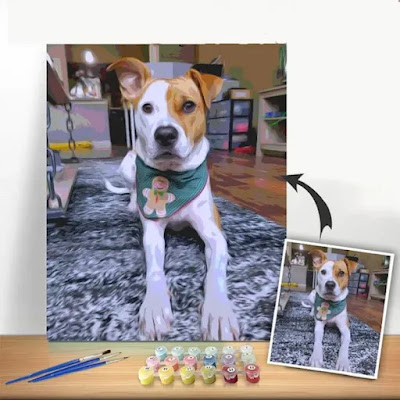
Personalized craft projects have become increasingly popular as people look for creative ways to turn memories into meaningful décor. Diamond art stands out because it combines the satisfaction of crafting with the visual impact of shimmering gemstones. However, many buyers are surprised to learn that colour accuracy in these projects has natural limitations. A photo may contain thousands of subtle shades, while a diamond art kit must simplify those tones into a manageable palette.
Understanding these limitations helps set realistic expectations, improve photo selection, and ensure a finished piece that still feels beautiful and recognizable. Knowing how colour works in custom diamond art makes the entire experience more enjoyable and rewarding.
Why Can’t Every Colour Be Recreated Exactly?
Photos captured by cameras contain countless colour variations and gradients. Diamond painting kits, on the other hand, rely on a fixed selection of pre-manufactured resin colours.
This creates natural limits because:
Each drill colour represents a range of tones rather than a single exact shade
Gradients must be simplified into blocks of colour
Subtle lighting differences may merge into one tone
Very soft transitions can appear more pixelated
The result is similar to turning a high-resolution photo into a mosaic. The overall image remains recognizable, but tiny colour nuances are simplified.
How Are Colours Selected for a Custom Design?
When you upload a photo for custom diamond painting, software converts the image into a pattern. The program analyzes the picture and assigns available drill colours based on proximity to the original shades.
During this process:
Close colours may merge together
Extremely subtle details may be reduced
Bright highlights or dark shadows become more defined
Background areas may simplify significantly
This conversion step is essential for keeping the project manageable while still maintaining visual clarity.
What Types of Images Show Colour Limitations the Most?
Some photos naturally translate better than others. Images with extreme colour complexity often reveal the limits of the available palette.
Challenging image types include:
Photos with soft blurred backgrounds
Low-light images with heavy shadows
Highly detailed landscapes
Pictures with many similar colour tones
Overly filtered or edited photos
Images with strong contrast and clear subjects usually produce better results because the colour transitions are more distinct.
How Does Canvas Size Affect Colour Detail?
One detail many beginners overlook is that size influences how colours appear. Larger canvases allow more space for colour variation, while smaller designs must simplify even more.
Smaller canvases:
Combine multiple shades into one drill colour
May lose fine facial or background details
Emphasize bold colours over subtle ones
Larger canvases:
Allow smoother transitions
Preserve more tonal variation
Improve overall realism
Choosing the right size helps reduce disappointment when comparing the finished artwork to the original photo.
Do Different Drill Types Affect Colour Appearance?
Yes — the shape and finish of drills can change how colours look once placed on the canvas.
Common differences include:
Round drills: Softer appearance, more forgiving for beginners
Square drills: Tighter fit, sharper image clarity
AB or special sparkle drills: Reflect more light, sometimes altering perceived colour
Because diamond pieces reflect light, colours may appear brighter or darker depending on viewing angle, which adds sparkle but can slightly shift tone perception.
Why Do Skin Tones Sometimes Look Different?
Skin tones are one of the most common concerns among buyers. Human skin contains many subtle colour variations that are difficult to replicate with a limited palette.
Common adjustments include:
Simplified shading around facial features
Warmer or cooler tones replacing mid-range hues
Reduced gradient detail in smaller canvases
Choosing a clear photo with natural lighting helps improve results and reduces colour distortion.
How Do Manufacturers Balance Colour Accuracy and Practicality?
Kit creators must balance visual realism with usability. Too many colours can make a project overwhelming, while too few reduce detail.
To create balance, they often:
Use versatile tones that work across multiple areas
Simplify backgrounds to highlight main subjects
Limit similar shades to prevent confusion
Prioritize contrast for recognizability
This approach keeps the project enjoyable while still producing an attractive result.
What Role Does Lighting Play After Completion?
Lighting dramatically influences how diamond paintings appear once finished. Because drills reflect light, colours may shift depending on the environment.
Real-life observations include:
Natural daylight makes colours appear brighter
Warm indoor lighting deepens tones
Direct light enhances sparkle but may reduce detail visibility
When displaying artwork, placement can change how vibrant or realistic colours look.
Understanding Pricing Logic and Colour Options
Buyers often wonder why some kits feel more detailed than others. Pricing differences usually relate to colour complexity and production quality.
Factors that affect value:
Number of drill colours included
Precision of colour mapping software
Canvas printing clarity
Quality of resin drills
Higher-quality kits tend to offer better colour transitions, though every project still works within the limits of available shades.
Real-Life Expectations for Finished Artwork
The most satisfied buyers approach diamond art with realistic expectations. Instead of expecting photo-perfect replication, they focus on the artistic interpretation.
Common outcomes people love:
Sparkling decorative pieces
Personalized gifts with emotional value
Eye-catching wall art
Relaxing, screen-free creative time
The charm lies in the handcrafted mosaic effect rather than exact photographic accuracy.
How Can You Improve Colour Results Before Ordering?
A few small decisions can significantly improve how colours translate.
Helpful tips:
Choose photos with strong contrast and clear subjects
Avoid heavy filters or extreme edits
Use images with simple backgrounds
Select larger canvas options when possible
Check previews if the seller offers them
These choices help ensure the design captures the essence of the original image while working within colour limitations.
Colour limitations are a natural part of how diamond art transforms photos into sparkling mosaics, but understanding them helps you make better choices and enjoy the process more fully. When you select the right image, size, and quality level, the final piece can feel both personal and visually stunning — even if every tiny shade isn’t replicated exactly.
If you’re ready to create something meaningful, choose a photo that tells your story, embrace the artistic interpretation, and let the brilliance of the finished piece shine in its own unique way.
.webp)


Comments
Post a Comment