What Are Diamond Paintings and Why Are They So Popular?
Have you noticed a sparkling new craft trend taking over social media feeds and craft rooms everywhere? Diamond paintings have emerged as one of the fastest-growing creative hobbies, captivating millions of people worldwide with their unique blend of artistic satisfaction and meditative relaxation. Unlike traditional painting that requires brushes, mixing colors, and years of practice, this innovative craft uses tiny resin "diamonds" to create stunning, shimmering artwork that literally catches light from every angle. The process is surprisingly simple yet incredibly addictive, explaining why crafters from age eight to eighty are discovering the joy of creating their own sparkling masterpieces.
But what exactly are diamond paintings, and why have they sparked such passionate devotion among crafting enthusiasts? Let's explore this glittering phenomenon and discover what makes it so irresistibly appealing to people seeking creative outlets, stress relief, and beautiful home décor.

What Exactly Are Diamond Paintings?
At its core, diamond painting combines elements of paint-by-numbers and cross-stitch into an entirely new craft form that's easier than both.
The Basic Components
A typical diamond painting kit contains several essential elements:
The Canvas: A pre-printed adhesive canvas showing your chosen design divided into tiny squares or sections. Each square is marked with a symbol or number indicating which color diamond belongs there.
The Diamonds: Tiny resin rhinestones, typically measuring 2.5mm to 2.8mm, that come in hundreds of colors. Despite the name, these aren't actual diamonds but sparkly resin pieces with faceted surfaces that catch and reflect light beautifully.
The Applicator Tool: A pen-like tool that picks up diamonds using wax or adhesive, allowing precise placement onto the canvas.
Additional Supplies: Most kits include a tray for organizing diamonds, wax or putty for the applicator tool, and tweezers for adjustments.
How the Process Works
The crafting process follows a satisfying, repetitive pattern:
Peel back a small section of the protective film covering the adhesive canvas
Pour diamonds of one color into the tray
Load your applicator tool with wax
Pick up a diamond with the tool
Place it onto the corresponding symbol on the canvas
Repeat until the section is complete
Move to the next section or color
This methodical approach creates a meditative flow that many crafters find deeply relaxing. There's no need to worry about staying within lines or mixing colors—everything is pre-determined and perfectly organized.
How Did Diamond Painting Originate?
Understanding the history helps explain the current popularity explosion.
Asian Innovations
The craft originated in Asia, specifically gaining traction in China around 2015. Manufacturers recognized that combining the accessibility of paint-by-numbers with the sparkle of rhinestone crafts could create something entirely new and appealing.
Early designs were relatively simple, featuring basic shapes and limited color palettes. However, as technology improved and demand grew, the quality and complexity of available designs expanded dramatically.
Western Adoption
By 2017, diamond paintings had made their way to Western markets, initially gaining popularity through online craft communities and social media platforms. YouTube tutorials and Instagram posts showcasing the mesmerizing transformation from blank canvas to sparkling artwork went viral, introducing millions to the craft.
The COVID-19 pandemic accelerated growth exponentially. As people sought home-based activities during lockdowns, diamond painting offered the perfect combination of engaging entertainment, stress relief, and productive creativity.
Current Market Status
Today, the diamond painting industry generates hundreds of millions in annual revenue globally. Paint with Numbers Canada has emerged as a leading supplier, offering thousands of designs and supporting a thriving community of Canadian crafters.
Why Are Diamond Paintings Becoming So Incredibly Popular?
Several compelling factors explain the explosive growth of this craft hobby.
Accessibility for All Skill Levels
Unlike traditional painting, which requires artistic talent and years of practice, diamond painting welcomes absolute beginners. The pre-printed canvas eliminates the need for drawing skills, while the numbered system removes any guesswork about color placement.
Children as young as seven or eight can complete simple designs with parental guidance, while seniors find the craft gentle on aging hands and eyes. This universal accessibility means families can craft together, with each member working on age-appropriate projects.
Immediate Visual Satisfaction
Progress is visible from the very first diamond placed. Watching a blank canvas transform into a sparkling artwork provides instant gratification that maintains motivation throughout the project.
Unlike some crafts where you can't see results until the final steps, each completed section of a diamond painting looks impressive. This constant positive reinforcement keeps crafters engaged and excited to continue.
Stress Relief and Mental Health Benefits
The repetitive, focused nature of placing diamonds creates a meditative state similar to mindfulness practice. Your mind cannot simultaneously worry about tomorrow's presentation and concentrate on finding symbol 147 and placing the corresponding diamond.
Research on repetitive crafts shows they reduce cortisol levels, lower blood pressure, and promote relaxation. Many crafters report using diamond painting specifically to manage anxiety, ADHD symptoms, or chronic pain through focused distraction.
No Mess, No Hassle
Traditional painting involves brushes that need cleaning, paints that can spill, and surfaces that require protection. Diamond paintings eliminate these concerns. The contained diamonds don't stain, the adhesive canvas contains everything, and cleanup consists simply of closing up your supplies.
This cleanliness makes the craft apartment-friendly and suitable for crafting in bed, on the couch, or anywhere comfortable. You can start and stop easily without extensive setup or cleanup routines.
What Makes the Finished Results So Stunning?
The unique visual appeal of completed diamond paintings sets them apart from other crafts.
The Sparkle Factor
Unlike flat paintings or prints, diamond art literally sparkles. The faceted resin diamonds catch light from every angle, creating dynamic visual effects that change as you move past the artwork or as lighting conditions shift throughout the day.
This three-dimensional quality makes finished pieces far more eye-catching than traditional wall art. Guests consistently notice and ask about diamond paintings, often expressing surprise that they're handmade rather than purchased artwork.
Photo-Worthy Results
Completed diamond paintings photograph beautifully, explaining their social media popularity. The sparkle translates well to photos and videos, particularly in time-lapse formats showing the transformation from blank canvas to finished piece.
This shareability creates a positive feedback loop—crafters post their completed projects, inspiring friends and followers to try the craft themselves, who then share their own creations, continuing the cycle.
Versatile Display Options
Finished diamond paintings work in virtually any décor style:
Modern spaces: Abstract or geometric designs complement contemporary interiors
Traditional homes: Classic subjects like florals or landscapes suit formal décor
Eclectic rooms: Bold, colorful designs add personality and whimsy
Minimalist aesthetics: Monochrome or simple subjects provide visual interest without clutter
The ability to choose designs matching personal style means diamond art integrates seamlessly into existing décor rather than clashing with it.
Who Is Creating Diamond Paintings?
The demographic diversity of diamond painting enthusiasts surprises many people.
Retirees and Seniors
Older adults represent a significant portion of the diamond painting community. The craft provides cognitive stimulation that helps maintain mental sharpness while being physically gentle—no heavy lifting, extensive standing, or fine motor skills beyond basic pinching and placing.
Retirement often leaves a void that hobbies fill. Diamond painting offers structure, purpose, and accomplishment that many retirees find deeply satisfying. Completed projects become gifts for grandchildren or decorations that personalize retirement living spaces.
Working Professionals
Busy professionals turn to diamond painting as evening wind-down activities. After stressful workdays spent staring at screens, the tactile, analog nature of placing physical diamonds provides a welcome contrast.
The ability to pick up and put down projects easily suits unpredictable schedules. Fifteen minutes of diamond painting before bed helps many professionals transition from work mode to sleep mode more effectively than scrolling through phones.
Parents and Caregivers
Stay-at-home parents often struggle to maintain personal identity beyond caregiving roles. Diamond painting provides creative outlets that can be pursued during naptimes or after children's bedtimes.
Parents also craft alongside children, with kids working on their own simple kits while parents tackle more complex designs. This parallel play creates quality family time without requiring constant parental direction or involvement.
Young Adults and Students
Contrary to assumptions that crafts appeal only to older demographics, significant numbers of millennials and Gen Z crafters have embraced diamond painting. Social media sharing, aesthetic room décor, and stress management during academic pressures all contribute to younger adoption.
What Health and Wellness Benefits Do Crafters Experience?
Beyond creating pretty artwork, diamond painting offers legitimate therapeutic benefits.
Mindfulness and Meditation
The focused concentration required activates the same brain regions as formal meditation. Thoughts about past regrets or future anxieties fade as attention narrows to the present moment—finding the right diamond, placing it precisely, moving to the next symbol.
This enforced presence provides mental breaks from rumination and anxiety spirals. Many crafters describe entering "flow states" where hours pass unnoticed because they're so absorbed in the activity.
Fine Motor Skill Maintenance
Picking up tiny diamonds and placing them precisely exercises fine motor control. For older adults, this helps maintain dexterity and hand-eye coordination. For children, it develops these skills.
Occupational therapists sometimes recommend diamond painting for rehabilitation after strokes or injuries affecting hand function, as the repetitive motions rebuild neural pathways and muscle memory.
Social Connection
Online communities dedicated to diamond painting number in the hundreds of thousands. Crafters share progress photos, troubleshoot problems, and celebrate completions together. These connections combat loneliness and provide belonging, particularly valuable for isolated individuals.
In-person crafting groups have formed in communities worldwide, bringing together diverse people united by shared creative interests. These groups provide social interaction for those who might otherwise struggle with social anxiety or lack natural social circles.
Sense of Accomplishment
Completing a diamond painting—particularly large, complex ones requiring dozens or hundreds of hours—provides profound satisfaction. In an age of instant gratification, the delayed reward of finishing a lengthy project teaches patience while building self-esteem.
Many crafters display their completed works proudly, pointing them out to visitors and explaining the time and effort invested. This pride in accomplishment boosts mental health and self-worth.
What Types of Designs Can You Create?
The variety of available diamond paintings ensures something for every taste and interest.
Realistic Subjects
Photorealistic animal portraits, landscape photography, and human faces challenge advanced crafters while producing museum-quality results. These complex designs use dozens of diamond colors to create subtle shading and detail.
Abstract and Modern Art
Geometric patterns, color field designs, and contemporary abstracts suit modern aesthetics. These patterns often work well for beginners as they're more forgiving of small placement errors.
Custom and Personalized
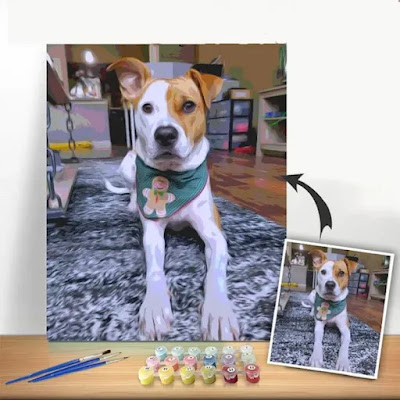
Photo conversion services transform personal photographs into diamond painting patterns. Pets, family portraits, wedding photos, and vacation memories become custom projects holding deep personal meaning.
Paint with Numbers Canada specializes in high-quality photo conversions that maintain detail while ensuring the pattern remains craftable rather than impossibly complex.
Licensed Characters
Popular culture characters, famous artwork reproductions, and recognizable imagery allow fans to create tributes to beloved franchises. These designs particularly appeal to younger crafters and collectors.
Seasonal and Holiday
Christmas, Halloween, Thanksgiving, and other holiday designs allow crafters to create seasonal decorations. Many enthusiasts build collections of holiday-themed pieces they display throughout the year.
How Long Does a Diamond Painting Project Take?
Time investment varies dramatically based on several factors.
Size Matters Most
Small projects (20x30cm) typically require 5-15 hours total, making them completable over a long weekend or several evenings. These work perfectly for beginners, testing whether they enjoy the craft.
Medium formats (40x50cm) occupy most crafters for 20-40 hours, spread across several weeks of regular crafting sessions. This size represents the sweet spot for many enthusiasts—substantial enough to feel impressive while not becoming overwhelming commitments.
Large canvases (60x80cm and above) can demand 100+ hours. Serious crafters treat these as months-long projects, often working on them daily for an hour or two. The marathon nature appeals to dedicated enthusiasts seeking long-term engagement.
Complexity and Detail
Designs with many colors and small details progress more slowly than simpler patterns. Constantly switching between dozens of diamond colors takes more time than working with limited palettes.
Background-heavy designs where large areas use single colors move quickly, while intricate subjects requiring careful attention to every symbol slow progress.
Personal Pace
Some crafters blitz through projects in marathon sessions, while others savor the process with brief daily crafting times. Neither approach is superior—what matters is matching the pace to your lifestyle and preferences.
What Makes Diamond Painting Different from Other Crafts?
Comparing diamond painting to alternatives highlights its unique advantages.
Versus Traditional Painting
Traditional painting requires understanding color theory, brush techniques, and compositional principles. Diamond painting eliminates these barriers while still producing artwork worthy of display.
Painting involves messy cleanup and requires dedicated workspaces. Diamond paintings are clean, portable, and can be worked on anywhere comfortable.
Versus Cross-Stitch or Embroidery
Needle crafts require threading, tension management, and careful stitch counting. Diamond painting's adhesive canvas eliminates threading frustrations while the obvious symbols prevent miscounting.
Cross-stitch results are flat fabric, while diamond paintings sparkle three-dimensionally. The visual impact differs dramatically.
Versus Coloring Books
Adult coloring books surged in popularity for similar stress-relief reasons, but lack the dimensional, sparkling results of diamond painting. Colored pages are prett,y but don't create display-worthy artwork quite like completed diamond paintings.
Additionally, coloring requires artistic decisions about color placement and blending. Diamond painting's pre-determined colors remove decision fatigue while ensuring professional-looking results.
Versus Jigsaw Puzzles
Both activities offer meditative, focused experiences. However, puzzles are temporary—once completed, they're disassembled or glued and stored. Diamond paintings become permanent artwork that decorates homes indefinitely.
The tactile satisfaction of placing diamonds also differs from fitting puzzle pieces, with many crafters finding diamond placement more satisfying.
What Do You Need to Get Started?
Beginning diamond painting requires minimal investment and setup.
Your First Kit
Quality starter kits from suppliers like Paint with Numbers Canada include everything needed:
Pre-printed adhesive canvas
All necessary diamond colors in labeled packets
Application tool (pen)
Wax or adhesive putty
Diamond tray
Instructions
This completeness means you can start immediately upon kit arrival without hunting for additional supplies.
Optional Accessories
As you grow in the hobby, consider these helpful additions:
Better Tools: Multi-placer pens that place several diamonds simultaneously speed up progress on large projects.
LED Light Pads: Backlit surfaces make symbols easier to see, particularly beneficial for complex designs or crafters with vision challenges.
Storage Solutions: Organizer boxes keep opened diamond packets sorted and prevent color mixing disasters.
Magnifiers: Clip-on magnifying glasses help with detailed work without eye strain.
Sealers: Spray or brush-on sealers protect finished work and ensure diamonds stay firmly attached forever.
Workspace Considerations
Diamond painting adapts to any comfortable space. Many crafters work at dining tables, in bed propped against pillows, or on couches while watching television. The flexibility means no dedicated craft room is necessary.
Good lighting helps tremendously, particularly for seeing small symbols clearly. Natural daylight works beautifully, or invest in bright LED desk lamps for evening crafting.
How Much Do Diamond Paintings Cost?
Understanding pricing helps budget appropriately for this hobby.
Kit Price Ranges
Small beginner kits start around $15-25, making them affordable entry points for testing interest. These projects provide sufficient experience to determine whether the hobby appeals without significant financial risk.
Medium-sized kits typically range $25-60, representing the most commonly purchased size. The balance between affordability and impressive results makes this range popular.
Large, complex kits can exceed $100, particularly for custom photo conversions or premium designs. Serious crafters view these as long-term investments in entertainment and stress relief.
Cost Per Hour Analysis
When calculated per hour of entertainment, diamond painting proves remarkably economical. A $40 kit providing 30 hours of enjoyment costs roughly $1.33 per hour—far cheaper than movies, dining out, or most other recreational activities.
Additionally, the finished artwork has ongoing value as home décor, effectively making the entertainment "free" since you're receiving a product worth displaying.
Money-Saving Strategies
Start small: Test the hobby with inexpensive small kits before investing in large projects.
Join communities: Online groups often facilitate diamond swaps where crafters trade leftover diamonds, reducing waste and cost.
Watch for sales: Retailers like Paint with Numbers Canada regularly offer promotions, particularly around holidays.
Buy in bulk: Once committed to the hobby, purchasing multiple kits together often includes discounts.
What Common Challenges Do New Diamond Painters Face?
Understanding typical struggles helps avoid frustration and ensures success.
Symbol Visibility Issues
Some canvases use very small symbols that can be difficult to see, particularly in detailed designs or for crafters with vision challenges. Solutions include using magnifiers, light pads, or selecting designs with larger, clearer symbols.
Canvas manufacturers have responded to feedback by improving print quality, making newer kits easier to read than earlier versions.
Diamond Organization
Managing dozens of diamond colors can feel overwhelming initially. Developing organisation systems—whether using labeled bags, container systems, or working color-by-color—solves this quickly.
Most crafters develop preferred methods through trial and error, eventually finding systems that work for their personal styles.
Hand and Wrist Fatigue
Extended crafting sessions can strain hands and wrists, particularly when first starting. Taking regular breaks, stretching, and building up stamina gradually prevent problems.
Ergonomic tools and proper posture also help. Many experienced crafters use cushioned wrist rests or craft at standing desks to vary positioning.
Perfectionism Paralysis
Some beginners stress about placing every diamond perfectly straight and aligned. While neatness matters, obsessive perfection can suck the joy from crafting.
Finished pieces viewed from normal display distances look stunning even if close inspection reveals minor imperfections. Learning to accept "good enough" helps maintain enjoyment.
How Has Social Media Influenced Diamond Painting's Popularity?
Digital communities have been instrumental in spreading awareness and building enthusiasm.
Viral Content
Time-lapse videos showing canvas transformations regularly go viral, accumulating millions of views. These mesmerizing progressions from blank canvas to sparkling artwork introduce countless people to the craft.
Before-and-after photos showcasing dramatic transformations also generate significant engagement, as people marvel at both the process and results.
Community Building
Facebook groups dedicated to diamond painting number members in the hundreds of thousands. These communities provide support, inspiration, troubleshooting help, and celebration of completed projects.
Instagram hashtags like #diamondpainting and #diamondart contain millions of posts, creating endless inspiration galleries where crafters browse for their next project ideas.
Influencer Impact
Craft influencers who focus specifically on diamond painting have built substantial followings. Their reviews, tutorials, and recommendations significantly influence which suppliers people trust and which designs trend.
When popular influencers share specific kits, those designs often sell out within hours, demonstrating the powerful connection between social media presence and commercial success.
[Join Our Crafting Community Today]
What Makes Diamond Painting Different from Country to Country?
While globally popular, regional preferences and markets show interesting variations.
North American Market
Canadian and American crafters show strong preferences for custom photo conversions, particularly pet portraits and family photos. The individualistic culture values personalized projects over mass-produced designs.
Large format canvases are more popular in North America than elsewhere, possibly reflecting larger average home sizes that can accommodate substantial wall art.
European Preferences
European crafters lean toward classical art reproductions and sophisticated, elegant designs. The rich artistic heritage influences aesthetic preferences toward timeless subjects.
Smaller living spaces in many European cities make medium-sized kits more practical than extra-large formats.
Asian Markets
As the birthplace of diamond painting, Asian markets show the highest participation rates and most advanced techniques. Crafters in China, Japan, and South Korea often work with incredibly complex designs that would intimidate Western beginners.
Cultural motifs—dragons, cherry blossoms, traditional patterns—dominate regional popularity in ways that reflect cultural identities.
How Is Diamond Painting Technology Evolving?
Innovation continues to improve the craft experience and expand possibilities.
Special Effect Diamonds
Beyond standard round and square diamonds, specialty shapes now include:
Faceted diamonds: Extra cuts increase sparkle.
Crystal diamonds: Actual crystal rather than resin for premium results.
Glow-in-the-dark: Luminescent diamonds create nighttime effects.
Aurora borealis finish: Rainbow coating creates shifting colors
Improved Adhesives
Early kits sometimes had adhesive that dried out quickly or didn't hold diamonds securely. Modern formulations maintain stickiness indefinitely while ensuring permanent diamond attachment.
Better Canvas Quality
Canvas printing has become sharper and more accurate, with symbols easier to read and color coding more intuitive. Sturdier canvas material resists tearing and maintains flatness better than earlier versions.
Digital Integration
Apps now help crafters organize projects, track progress, convert photos into patterns, and connect with communities. This digital enhancement complements rather than replaces the analog crafting experience.
Click for next post!
.webp)


Comments
Post a Comment